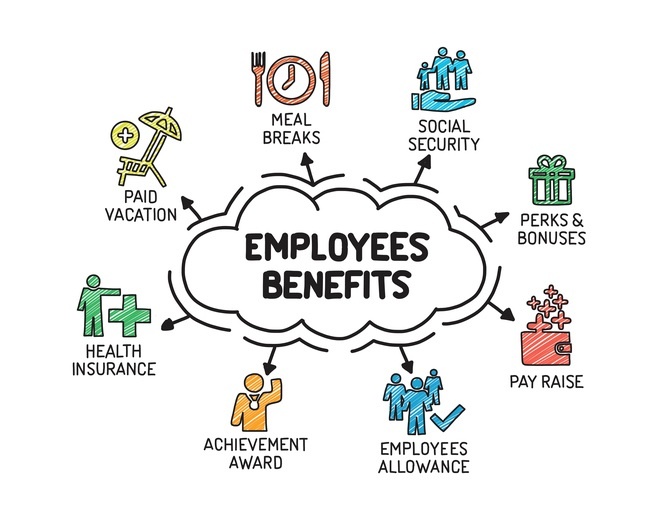
In the modern business environment, transforming workplace culture is a priority for organizations aiming to attract and retain top talent. One of the most effective ways to foster a positive work environment is through an employee benefits platform. Such platforms not only streamline the management of benefits but also play a pivotal role in shaping the overall workplace culture. Employees today are looking for more than just a paycheck; they seek a supportive environment that values their well-being and professional growth.
The Role of Employee Benefits Platforms
An employee benefits platform serves as a central hub for managing and delivering a comprehensive range of benefits to employees. This includes health insurance, retirement plans, wellness programs, and more. By consolidating these offerings, organizations can provide a seamless experience for their workforce. Read more about this topic.
Key Features and Advantages
- Streamlined Administration: Automated processes reduce administrative burdens, allowing HR teams to focus on strategic initiatives.
- Personalized Employee Experience: Employees receive tailored benefits that suit their unique needs, enhancing their overall satisfaction.
- Real-Time Data and Analytics: Employers can access valuable insights into benefit utilization, enabling data-driven decision-making.
- Cost Efficiency: By optimizing benefit offerings, organizations can manage costs effectively while maximizing value for employees.
These platforms empower employees to make informed decisions about their benefits, thereby enhancing their engagement and commitment to the organization. Learn more in this detailed guide.
Impact on Workplace Culture
The implementation of an employee benefits platform can significantly impact workplace culture by promoting inclusivity, transparency, and well-being. Here”?s how:
Enhancing Employee Well-being
Well-being is a cornerstone of a positive workplace culture. Benefits platforms often include wellness programs that encourage healthy lifestyles, mental health support, and work-life balance. Such initiatives demonstrate an organization’s commitment to the holistic well-being of its employees. Explore further insights here.
Fostering Inclusivity and Diversity
By offering a diverse range of benefits options, organizations can cater to the varied needs of their workforce, promoting a culture of inclusivity. This ensures that all employees, regardless of their personal circumstances, feel valued and supported.
Driving Transparency and Trust
A transparent approach to employee benefits fosters trust and open communication. When employees have easy access to information about their benefits, they are more likely to feel secure and confident in their roles. This transparency can be a key driver in creating a culture of trust within the organization. Find additional information here.
Conclusion
Transforming workplace culture is more achievable with the strategic use of an employee benefits platform. By integrating these systems into the fabric of the organization, employers can ensure their employees feel supported, valued, and engaged. This not only enhances the employee experience but also contributes to the overall success and sustainability of the organization. As the business landscape continues to evolve, embracing comprehensive benefits platforms will be crucial for those looking to cultivate a thriving workplace culture.