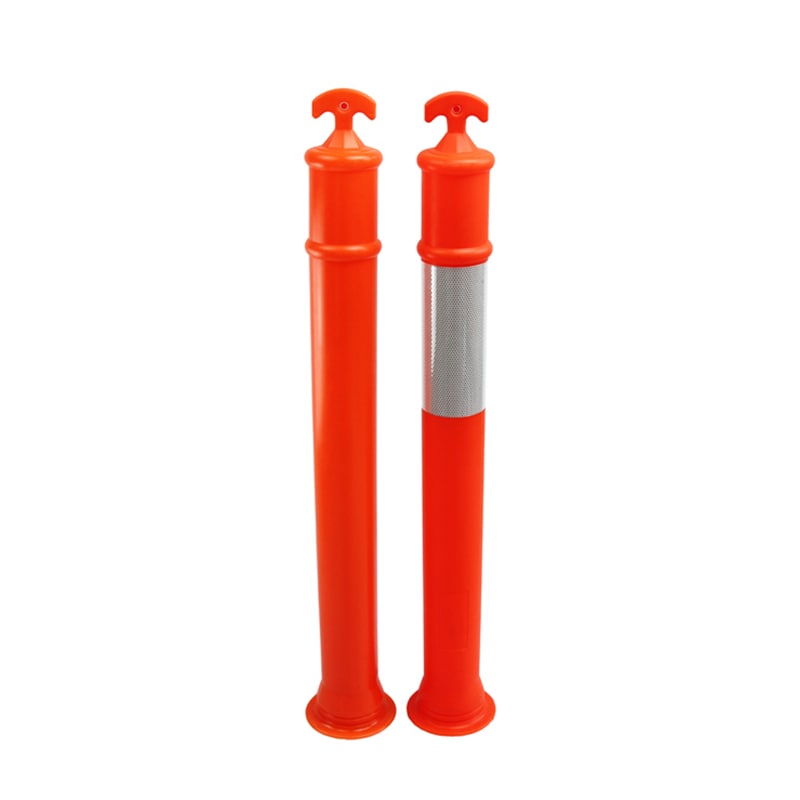
Traffic delineators serve a crucial role in maintaining safety and efficiency on highways. These vital road features are designed to guide and control the flow of traffic, reduce confusion, and minimize accidents. As highways become busier and more complex, the need for effective traffic management tools increases. Installing traffic delineators on highways not only enhances safety but also improves the overall driving experience by providing clear direction and demarcation of lanes. This article explores the significance of traffic delineators in highway management and the benefits they offer.
The Role of Traffic Delineators in Road Safety
Traffic delineators are essential in ensuring road safety as they provide visual guidance to drivers, particularly in challenging driving conditions such as night-time, fog, or heavy rain. Here are some ways they contribute to safer highways:
- Enhancing lane visibility and ensuring drivers stay within their lanes.
- Clearly marking road edges and transitions between lanes.
- Warning drivers of upcoming obstacles or changes in the road layout.
- Facilitating safe merging and diverging of traffic.
For a deeper understanding of how delineators enhance road safety, explore advanced guides and tips.
Improving Traffic Flow and Reducing Congestion
Traffic delineators not only contribute to safety but also play a significant role in improving traffic flow. By clearly defining lanes and guiding traffic movement, they help reduce congestion and prevent bottlenecks. They are particularly beneficial in:
- Managing traffic at construction zones by providing temporary lane guidance.
- Directing traffic efficiently during peak hours.
- Facilitating smoother transitions at highway exits and entry points.
To learn about our tailored solutions for managing traffic flow, discover expert strategies here.
Types of Traffic Delineators
Various types of traffic delineators are available, each designed for specific applications and conditions. Understanding their differences helps in selecting the right tools for highway management. Some common types include:
Flexible Delineators
These are made from materials that can withstand impacts without being damaged, making them ideal for high-traffic areas. They are often used in medians and along highways.
Channelizers
These delineators help in channelizing traffic and are often used in construction zones or areas where temporary lane adjustments are necessary.
Bollards
Bollards are sturdy posts used to control traffic and protect pedestrians. They are suitable for areas that require both guidance and physical barriers.
To find out more about this approach and the different types of delineators, learn about our tailored solutions.
Conclusion
The installation of traffic delineators on highways is a strategic move towards enhancing road safety, improving traffic flow, and reducing congestion. By understanding the various types of delineators and their specific applications, highway authorities can make informed decisions that lead to safer and more efficient roadways. For those seeking in-depth insights and professional advice on implementing these solutions, find out more about this approach.