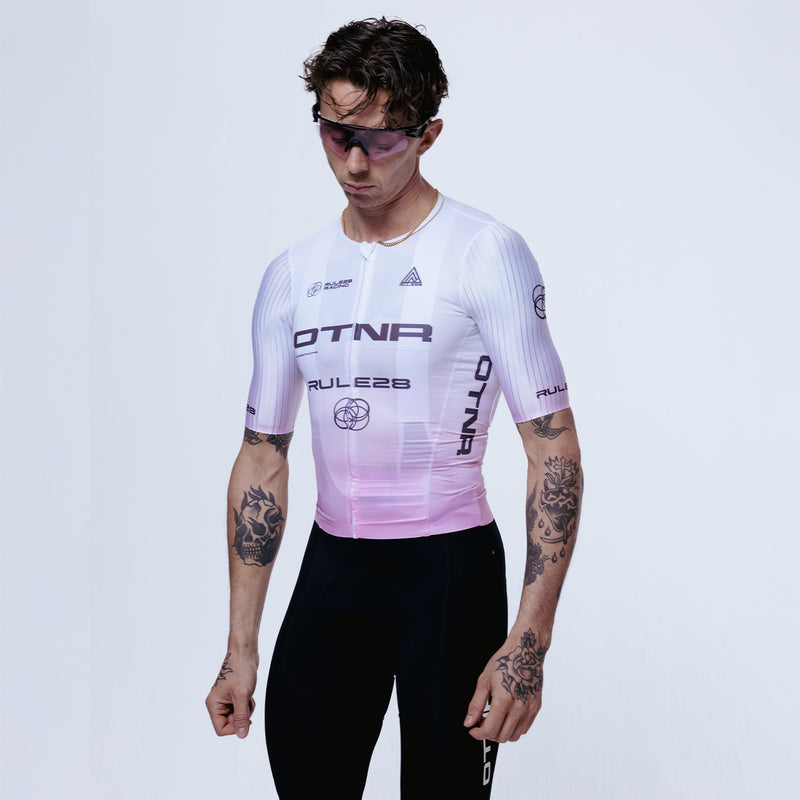
The world of cycling has seen a remarkable transformation over the years, particularly in the realm of apparel. Among the myriad of advancements, the evolution of aero cycling jerseys stands out as a testament to the sport’s commitment to speed, efficiency, and style. From the early days of heavy, woolen jerseys to today’s sleek and aerodynamic designs, the journey of the aero cycling jersey has been driven by a relentless pursuit of performance and innovation. This article delves into the fascinating development of these jerseys, exploring the technological advancements and design philosophies that have shaped them into essential tools for competitive cyclists worldwide.
The Early Days of Cycling Jerseys
In the early 20th century, cycling jerseys were primarily made from wool. While wool was effective in providing warmth and absorbing moisture, it was not ideal for performance cycling. The jerseys were:
- Heavy and prone to stretching when wet.
- Limited in terms of breathability and temperature regulation.
- Basic in design with minimal features for aerodynamics.
Despite these drawbacks, wool jerseys were the standard until synthetic materials began to emerge in the latter half of the century.
The Introduction of Synthetic Fabrics
The introduction of synthetic fabrics such as polyester marked a significant turning point in the design of cycling apparel. These materials offered several advantages over traditional wool jerseys:
- Lightweight and quick-drying properties.
- Enhanced breathability and moisture management.
- Improved elasticity for a better fit.
The ability to incorporate aerodynamics into the design became more feasible with synthetics, paving the way for the modern aero bike jersey.
Technological Advancements in Aero Cycling Jerseys
Wind Tunnel Testing
One of the significant advancements in the evolution of aero cycling jerseys is the use of wind tunnel testing. This technology allows designers to simulate cycling conditions and fine-tune jerseys to minimize drag. As a result, cyclists can achieve faster speeds with less effort.
Compression Fabrics
Modern aero cycling jerseys often incorporate compression fabrics. These materials provide muscle support and reduce fatigue, enhancing overall performance. The snug fit also reduces air resistance, contributing to the aerodynamic efficiency of the jersey.
Seamless Construction and Laser Cutting
Advancements in manufacturing techniques have led to seamless construction and laser cutting. These methods reduce the number of seams in a jersey, which can cause drag. Additionally, laser-cut edges offer a clean, precise finish that contributes to the streamlined appearance and functionality of the jersey.
Design Considerations for Modern Aero Cycling Jerseys
Today’s aero cycling jerseys are designed with a focus on both aesthetics and performance. Some key design considerations include:
- Fit: Jerseys are tailored to fit snugly against the body, reducing air pockets and drag.
- Ventilation: Strategically placed mesh panels offer ventilation without compromising aerodynamics.
- Pockets: Innovative pocket designs provide easy access to essentials while maintaining a sleek profile.
The Future of Aero Cycling Jerseys
The evolution of aero cycling jerseys is far from over. As technology continues to advance, the potential for further enhancements in material science and design techniques remains vast. Future jerseys may incorporate smart fabrics that adapt to environmental conditions or even integrate electronic components for real-time performance feedback.
In conclusion, the journey of the cycling jersey from its humble beginnings to the high-tech garment of today is a reflection of the cycling community’s dedication to pushing the boundaries of speed and efficiency. As innovations continue to emerge, the iconic aero jersey will undoubtedly remain at the forefront of cycling apparel, embodying the spirit of the sport and its relentless pursuit of excellence.