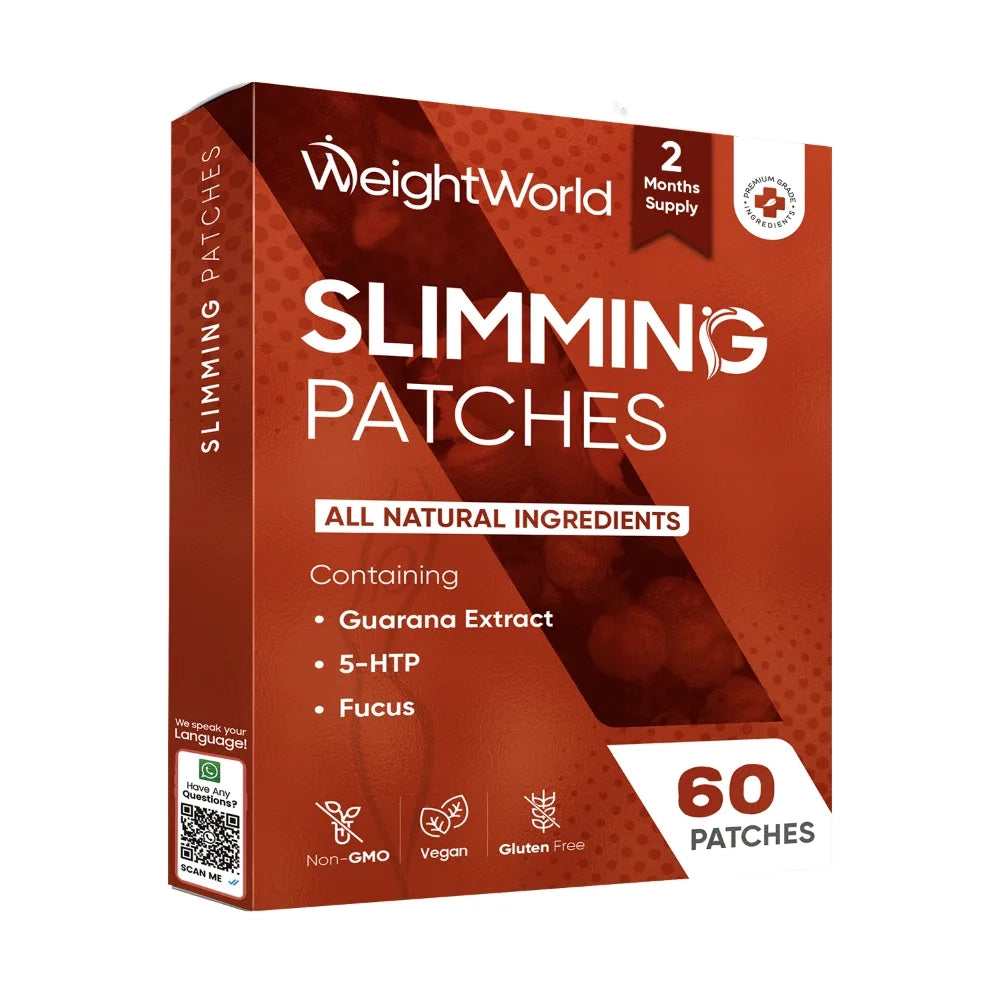
In the quest for weight management and a healthier lifestyle, appetite suppressants have gained popularity as effective tools for controlling hunger and reducing calorie intake. With an array of options available, individuals often find themselves deciding between natural and over-the-counter (OTC) appetite suppressants. Each has its own set of benefits and potential drawbacks, making it essential to understand the differences and determine which might work best for individual needs.
Understanding Natural Appetite Suppressants
Natural appetite suppressants are derived from plant-based ingredients and other natural sources. These are often preferred by those who wish to avoid synthetic chemicals and are seeking a more holistic approach to weight management.
Benefits of Natural Options
- Fewer Side Effects: Natural suppressants are generally considered to have fewer side effects compared to synthetic options.
- Whole Food-Based: Many natural suppressants come from whole foods, which can provide additional nutrients and health benefits.
- Long-term Sustainability: Natural ingredients may support long-term health goals, aligning with overall wellness and sustainability.
Discover expert strategies here.
Examining Over-the-Counter Appetite Suppressants
Over-the-counter appetite suppressants are often synthetic and are available without a prescription. These products are designed to offer a more immediate impact on appetite control.
Advantages of OTC Options
- Quick Results: OTC suppressants typically provide faster results, making them suitable for short-term goals.
- Convenience: Easily accessible and available in various forms, such as pills, powders, and patches.
- Scientifically Formulated: Often developed through scientific research to target specific aspects of appetite control.
Learn about our tailored solutions here.
Factors to Consider When Choosing an Appetite Suppressant
When deciding between natural and OTC appetite suppressants, several key factors should be taken into account to ensure the most effective and safe choice.
Personal Health Needs
- Consult a healthcare professional to understand any potential interactions with current medications or health conditions.
- Consider personal dietary preferences and lifestyle when choosing between natural and OTC options.
Effectiveness and Goals
- Evaluate the desired outcomes, whether short-term weight loss or long-term weight management.
- Review clinical studies and user reviews to understand the efficacy of different products.
Explore advanced guides and tips here.
Conclusion: Making an Informed Choice
Finding the best appetite suppressant involves a balance between personal preferences, health needs, and the specific goals one aims to achieve. Whether opting for natural or over-the-counter solutions, it is crucial to conduct thorough research and possibly consult a professional to guide the decision-making process. Each approach offers unique benefits and understanding these can help in making an informed choice that aligns with one’s lifestyle and health aspirations.
Find out more about this approach here.