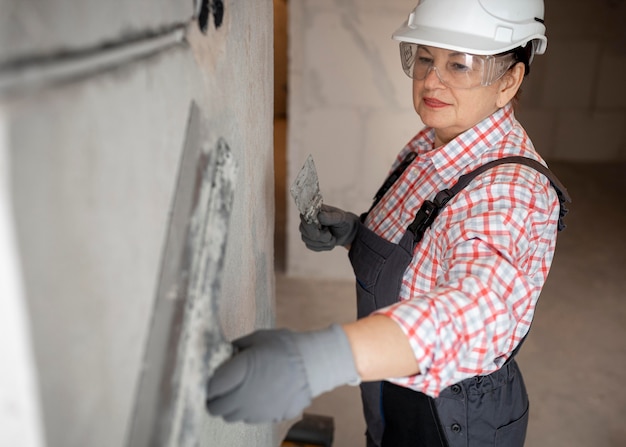
Kalamazoo has long been recognized for its dynamic growth and development, necessitating robust infrastructure to support its thriving communities. One critical component in this endeavor is professional soil stabilization. This process not only enhances the durability and longevity of construction projects but also ensures safety and sustainability. As urban expansion continues, understanding the intricacies of soil stabilization becomes imperative for builders, developers, and municipal planners in Kalamazoo.
Understanding Soil Stabilization
Soil stabilization is a technique employed to improve the physical properties of soil, making it more suitable for construction purposes. This process can involve physical, chemical, or biological methods to enhance the soil’s load-bearing capacity, reduce permeability, and increase durability. The goal is to transform weak or unstable soil into a solid foundation for infrastructure projects.
Key Benefits of Soil Stabilization
- Improved Load-Bearing Capacity: Stabilized soil can support heavier structures, reducing the risk of subsidence and structural failure.
- Enhanced Durability: With increased resistance to erosion and weathering, stabilized soil ensures the longevity of roads, buildings, and other infrastructure.
- Environmental Benefits: By utilizing local materials and reducing the need for excavation and transportation, soil stabilization is an eco-friendly solution.
- Cost-Effective: It reduces the need for expensive foundation repairs and maintenance in the long term.
Techniques of Soil Stabilization
The choice of soil stabilization method depends on the soil type, project requirements, and environmental considerations. Common techniques include:
- Mechanical Stabilization: Involves the physical manipulation of soil through compaction or the addition of aggregates like gravel.
- Chemical Stabilization: Utilizes additives such as lime, cement, or fly ash to chemically alter the soil’s properties. Find out more about this approach.
- Biological Stabilization: Employs vegetation and organic matter to naturally reinforce soil structure.
Applications of Soil Stabilization in Kalamazoo
In Kalamazoo, soil stabilization plays a pivotal role in various sectors:
Residential and Commercial Construction
As Kalamazoo continues to expand, residential and commercial developments require stable foundations. Soil stabilization techniques ensure these structures are built on solid ground, mitigating risks associated with poor soil conditions. Discover expert strategies here.
Infrastructure Development
From highways to bridges, infrastructure projects demand reliable support systems. Soil stabilization provides the necessary reinforcement to withstand the pressures of heavy traffic and environmental stressors. Explore advanced guides and tips here.
Choosing the Right Soil Stabilization Solution
Selecting the appropriate soil stabilization method requires a thorough understanding of the site’s soil characteristics, environmental impact, and project objectives. Professionals in Kalamazoo consider:
- Soil type and composition
- Climate conditions
- Project load requirements
- Long-term performance expectations
To ensure the success of construction projects, it is crucial to work with experts who can provide tailored solutions. Learn about tailored solutions here.
Conclusion
In the ever-evolving landscape of Kalamazoo, infrastructure development is paramount. Professional soil stabilization offers the expertise and techniques necessary to support this growth sustainably. By enhancing soil properties, it provides the foundation for safe, durable, and environmentally-friendly construction projects. For those involved in the planning and execution of such endeavors, understanding and implementing effective soil stabilization strategies is not just beneficial but essential. Explore advanced guides and tips to navigate this critical aspect of infrastructure development.