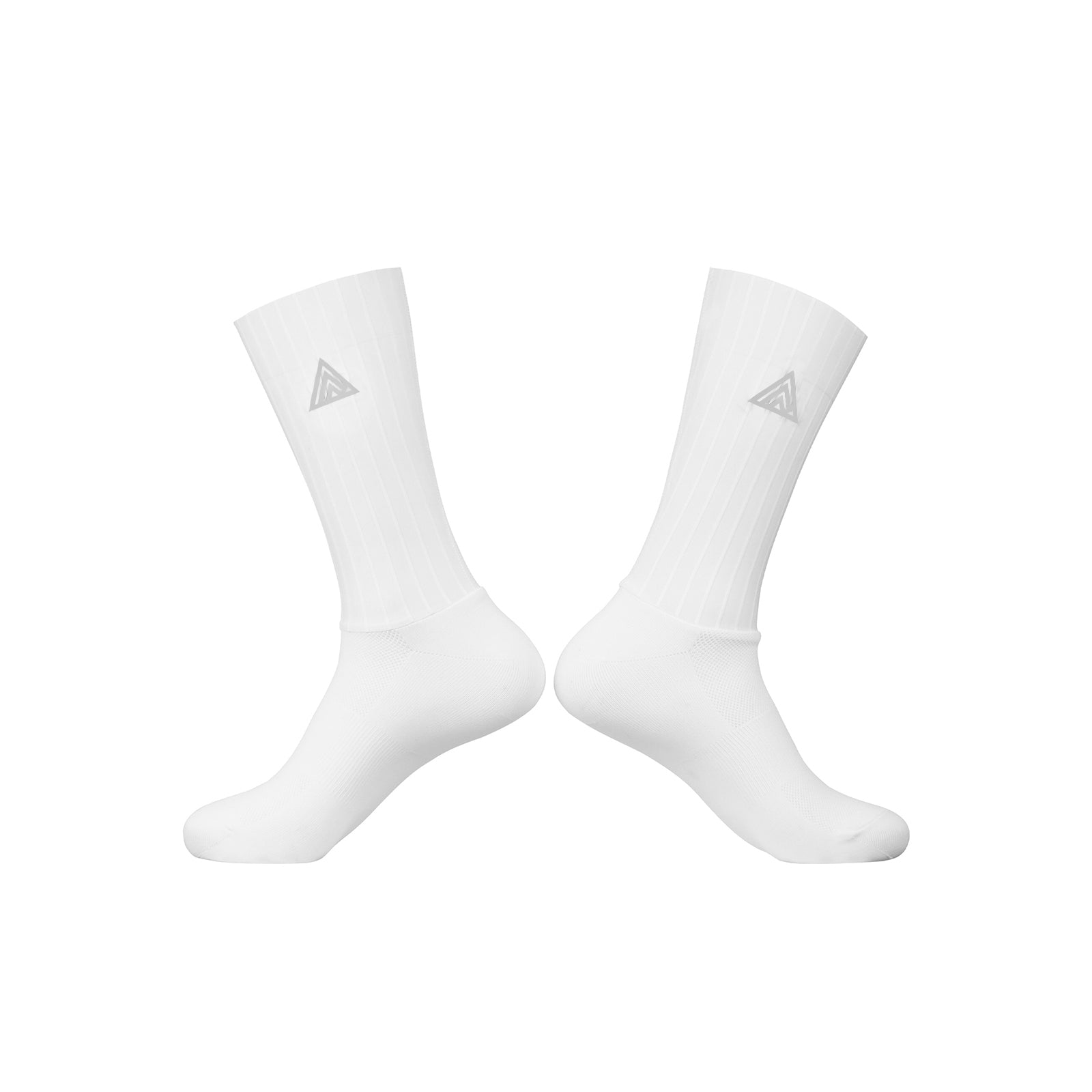
When cyclists strive for marginal gains, the focus often lands on power output, bike geometry, and riding position. Yet one of the most overlooked components that can significantly affect performance is footwear, specifically aero overshoes. These low-profile, tightly-fitted covers are engineered to streamline the foot-shoe interface, reducing turbulent airflow and enhancing overall efficiency. By minimizing drag, aero overshoes enable riders to maintain higher speeds with the same power output, making them a valuable addition to any serious cyclist’s toolkit.
Understanding Aerodynamic Drag on the Foot-Shoe System
Drag is the resistive force that opposes motion through air. While the frame, wheels, and rider’s torso generate the majority of aerodynamic resistance, the foot and shoe can contribute up to 5″?% of total drag in a typical road cycling posture. The reasons are twofold:
- Surface irregularities: Laces, shoe tongues, and protruding cleats create small vortices that increase turbulence.
- Misalignment: When the foot is not perfectly aligned with the airflow, it acts like a miniature wing, generating lift-induced drag.
Even modest reductions in this drag can translate into measurable time savings over long distances or competitive events.
How Aero Overshoes Reduce Drag
Seamless Surface Integration
Aero overshoes are crafted from smooth, stretch-woven fabrics that conform tightly to the shoe’s shape. By covering laces, seams, and cleat housings, they create a continuous surface that allows air to glide over the foot with minimal disturbance.
- Eliminates exposed stitching that can trip airflow.
- Provides a low-friction interface that discourages vortex formation.
Optimized Fit and Tension
The elastic nature of the material ensures a snug fit without compressing circulation. Proper tension aligns the shoe’s profile with the rider’s aerodynamic envelope, reducing the cross-sectional area exposed to oncoming air.
- Maintains consistent shoe orientation during pedaling.
- Prevents shoe wobble that can increase drag spikes.
Material Technology
Advanced synthetic fibers used in aero overshoes offer a balance of stretch, durability, and low drag coefficient. Some designs incorporate micro-textured surfaces that subtly manipulate boundary layer flow, similar to the dimples on a golf ball.
- High-tenacity yarns resist tearing under high torque.
- Hydrophobic treatments repel moisture, preserving aerodynamic shape in wet conditions.
Performance Benefits Beyond Drag Reduction
While the primary goal is to cut aerodynamic resistance, aero overshoes deliver additional functional advantages that contribute to overall efficiency.
- Temperature Regulation: The breathable fabric helps manage foot temperature, reducing the need for frequent shoe changes.
- Reduced Chafing: By smoothing out shoe interior edges, they minimize hotspots and skin irritation during long rides.
- Enhanced Power Transfer: A secure fit limits foot movement within the shoe, allowing more consistent force application to the pedal.
Choosing the Right Aero Overshoes
Selecting the optimal pair involves evaluating several key criteria. Riders should consider the following factors before making a purchase.
- Fit Compatibility: Ensure the overshoe matches the shoe’s size and shape; a too-tight cover can restrict blood flow, while a loose one defeats aerodynamic benefits.
- Material Thickness: Thinner fabrics generally provide lower drag but may sacrifice durability; balance based on riding frequency.
- Cleat Compatibility: Verify that the overshoe accommodates the specific cleat system (SPD, Look, etc.) without interfering with engagement.
- Ease of Maintenance: Look for machine-washable options that retain elasticity after repeated cycles.
For a curated selection that meets these standards, Discover expert strategies here and explore the range of designs engineered for high-performance cycling.
Integrating Aero Overshoes Into a Training Regimen
Introducing aero overshoes into regular training should be a gradual process to allow the body to adapt to the new fit and feel.
Step-by-Step Implementation
- Start with short, low-intensity rides to assess comfort.
- Monitor foot temperature and any signs of pressure points.
- Gradually increase ride duration, noting any changes in perceived effort.
- Incorporate the overshoes into interval sessions where aerodynamic gains are most noticeable.
Consistent use during varied terrain helps riders understand the real-world impact on speed and power output.
Real-World Impact: Case Studies and Data
Multiple field tests have quantified the benefits of aero overshoes. In controlled wind-tunnel experiments, riders experienced an average drag reduction of 2-4″?% when wearing a properly fitted overshoe. On a 100-km road race, this translated to a time saving of approximately 1-2 minutes, a margin that can determine podium placement.
Professional cyclists who have adopted the technology report a noticeable “smoothness” in the pedal stroke, attributing it to the reduced foot-shoe turbulence and improved alignment.
Maintenance and Longevity
To preserve aerodynamic performance, regular care is essential.
- Rinse after each ride to remove dust and road grit.
- Air-dry away from direct sunlight to prevent material degradation.
- Inspect seams and elastic bands for signs of wear; replace when elasticity diminishes.
For detailed care instructions and additional tips, Learn about our tailored solutions that keep the gear performing at its peak.
Future Trends in Aero Footwear
The evolution of aero overshoes is closely tied to advances in textile engineering and computational fluid dynamics (CFD). Emerging trends include:
- 3D-Knitted Structures: Custom-fit patterns that reduce material waste while enhancing airflow control.
- Embedded Sensors: Real-time feedback on temperature and pressure distribution, allowing riders to fine-tune fit.
- Adaptive Materials: Fabrics that adjust tension based on temperature, maintaining optimal aerodynamic shape across conditions.
Staying informed about these developments can give cyclists a competitive edge. For ongoing insights, Explore advanced guides and tips that highlight the latest innovations.
Conclusion
Aero overshoes represent a subtle yet powerful tool for reducing drag and improving cycling efficiency. By delivering a smooth, well-aligned foot-shoe interface, they shave valuable seconds off race times and enhance comfort on long rides. Selecting the right pair, integrating them thoughtfully into training, and maintaining them properly will maximize their benefits. As technology continues to refine aerodynamic apparel, the role of aero overshoes in performance optimization is set to expand, offering riders ever-greater opportunities to gain a competitive advantage.
For a comprehensive selection and further guidance, Find out more about this approach and explore options tailored to diverse riding styles.