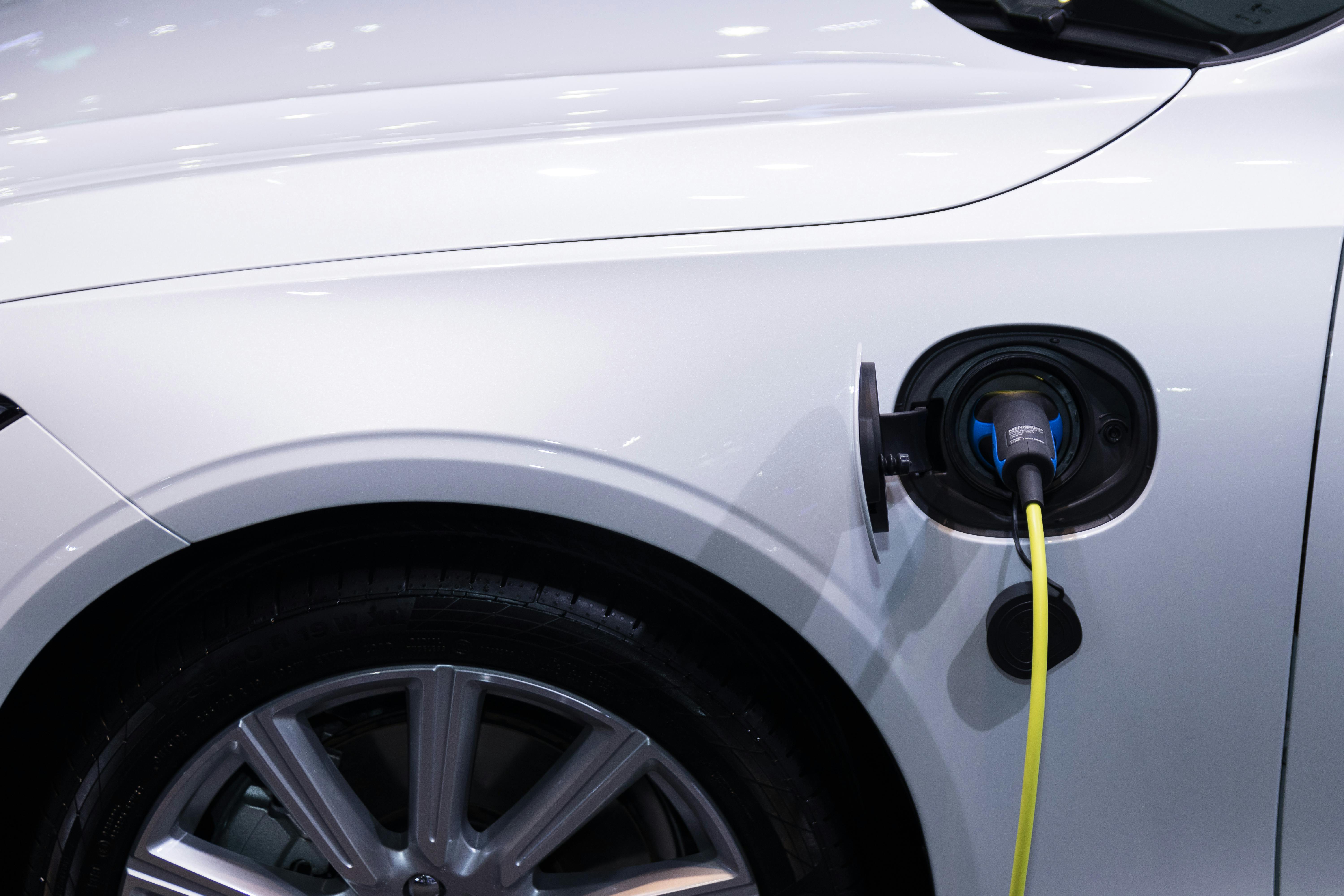
Electric vehicle ownership in the United Kingdom is rapidly expanding, driven by environmental incentives, lower running costs, and a growing network of charging infrastructure. For owners, selecting the right charging solution is essential to maximise convenience, protect battery health, and integrate seamlessly with daily routines. This guide outlines the most effective EV charging options, installation considerations, and maintenance tips, helping drivers make informed decisions that align with both personal needs and the broader shift toward sustainable mobility.
Understanding the Types of EV Chargers
Charging equipment can be broadly categorised into three levels, each offering distinct speeds and use-case scenarios.
Level 1 – Standard Household Socket
- Power: 230 V AC, up to 3 kW
- Typical charge time: 8-12 hours for a full battery
- Ideal for: Overnight charging at home when the vehicle is used for short daily commutes
Level 2 – Dedicated Home Wallbox
- Power: 400 V AC, 7-22 kW depending on the unit
- Typical charge time: 2-4 hours for an 80 % charge
- Features: Smart scheduling, load-balancing, and RFID authentication
- Best suited for: Residents with a private driveway or garage seeking faster top-ups
DC Fast Charging (Level 3)
- Power: 50-350 kW DC
- Typical charge time: 20-30 minutes for 80 % capacity
- Location: Public charging stations, highway service areas, and commercial fleets
- Consideration: Not recommended for daily home use due to battery stress
Choosing the Right Home Charging Solution
When selecting a home charger, several factors influence the optimal choice.
- Vehicle Compatibility: Verify that the charger’s connector (Type 2 is standard in the UK) matches the car’s inlet.
- Electrical Capacity: A qualified electrician should assess the domestic supply to ensure it can support the desired amperage without overloading the circuit.
- Smart Features: Remote monitoring, scheduled charging during off-peak tariffs, and integration with home energy management systems add convenience and cost savings.
- Future-Proofing: Opt for a unit with higher power output (e.g., 11 kW) to accommodate newer EV models with larger batteries.
For a deeper dive into tailored home-charging strategies, Discover expert strategies here.
Installation Best Practices
Professional installation ensures safety, compliance with UK building regulations, and optimal performance.
- Engage a certified electrician with experience in EV infrastructure.
- Use a dedicated circuit breaker (16-32 A) to isolate the charger from other household loads.
- Install the unit at a convenient height (approximately 1.2 m) and within the cable reach of the vehicle’s charging port.
- Consider weather-proof enclosures for outdoor installations, meeting IP54 or higher standards.
- Schedule a post-installation inspection to verify grounding, cable sizing, and compliance with the Electricity at Work Regulations.
Guidance on complying with local regulations and selecting qualified installers can be found at Learn about our tailored solutions.
Optimising Charging for Battery Longevity
Proper charging habits extend battery life and maintain range performance.
- Avoid Constant 100 % Charges: Regularly charging to 80-90 % reduces stress on lithium-ion cells.
- Utilise Scheduled Charging: Align charging sessions with off-peak electricity rates and cooler ambient temperatures.
- Monitor Temperature: In extreme cold or heat, allow the vehicle’s thermal management system to pre-condition the battery before charging.
- Stay Updated: Firmware updates from manufacturers often improve charging algorithms and efficiency.
Public Charging Networks and How to Use Them
The UK boasts an expanding network of public chargers, managed by operators such as BP Pulse, Shell Recharge, and Ionity. Understanding how to navigate these services maximises convenience during travel.
- Register for an account with the network’s mobile app to locate available stations in real time.
- Check connector types; most UK fast chargers use CCS, while some legacy stations still provide CHAdeMO.
- Take advantage of roaming agreements that allow a single card or app to access multiple networks.
- Plan routes with charging stops using route-planning tools that factor in battery range and charger power.
For comprehensive tips on selecting the right public charging plan, Explore advanced guides and tips.
Cost Considerations and Incentives
While the upfront cost of a home wallbox can range from £500 to £1,200, several incentives help offset expenses.
- EV Homecharge Scheme (EVHS): Provides up to £350 grant for eligible homeowners.
- Smart Export Guarantee (SEG): Enables owners with solar PV to receive payments for excess electricity exported to the grid.
- Time-of-Use Tariffs: Energy suppliers such as Octopus Energy offer cheaper rates during nighttime, reducing overall charging costs.
Future Trends in UK EV Charging
Emerging technologies promise to reshape the charging landscape over the next decade.
- Ultra-Fast 350 kW Stations: Reducing 80 % charge times to under 10 minutes on major motorways.
- Vehicle-to-Grid (V2G) Integration: Allows EVs to feed stored energy back into the grid, supporting renewable balancing.
- Wireless Inductive Charging: Pilot projects in city centres aim to deliver seamless, cable-free charging.
- Dynamic Pricing Models: Real-time electricity pricing will encourage charging when renewable generation peaks.
Stay informed about these developments by visiting Find out more about this approach.
Conclusion
Selecting the appropriate EV charging solution involves assessing vehicle requirements, home electrical capacity, and usage patterns. By investing in a smart Level 2 wallbox, adhering to best-practice installation, and employing disciplined charging habits, UK electric car owners can enjoy reliable, cost-effective mobility while preserving battery health. Coupled with a growing public charging network and supportive government incentives, the path to a fully electrified future is clearer than ever.