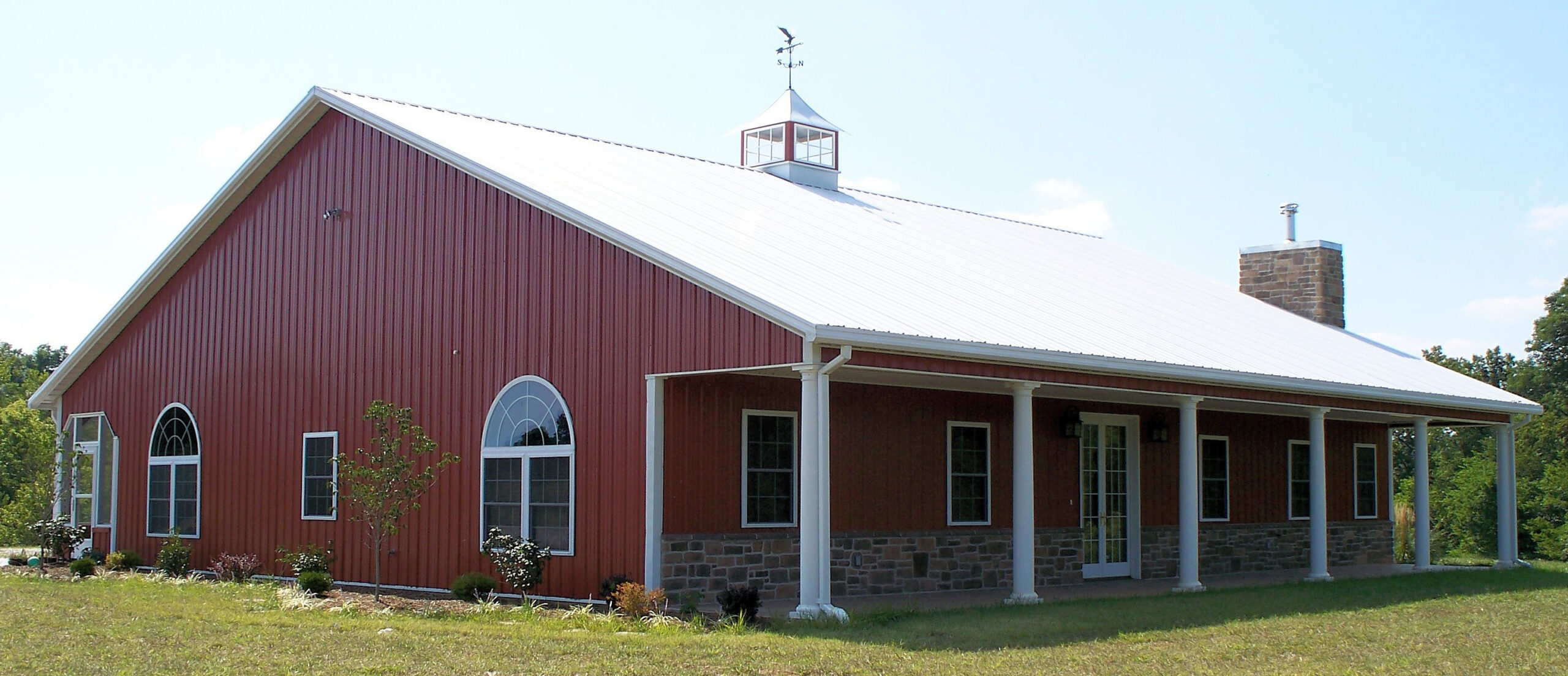
Residential metal roofing has gained immense popularity in recent years, thanks to its durability, energy efficiency, and aesthetic appeal. However, one of the most crucial aspects that homeowners must consider is the cost associated with metal roofing. Understanding the price components and factors influencing the overall expenditure can help in making an informed decision. This article provides an essential guide to residential metal roofing prices, offering insights into various factors that contribute to the cost and how to budget effectively for such an investment.
Factors Influencing Metal Roofing Prices
The cost of metal roofing can vary significantly based on several factors. Understanding these elements can provide clarity on what to expect in terms of pricing.
- Material Type: Metal roofs can be made from various materials such as aluminum, copper, steel, or zinc. Each material has its own price range and characteristics.
- Roof Design: The complexity of the roof design, including the number of slopes, valleys, and the pitch, can influence the installation cost.
- Roof Size: Naturally, larger roofs require more materials and labor, impacting the overall price.
- Installation Labor: Labor costs can vary depending on the region and the expertise of the roofing contractors.
- Geographic Location: Prices may differ based on the local market conditions and availability of materials.
- Additional Features: Incorporating features like insulation, underlayment, or specialized coatings can add to the cost.
Average Cost Breakdown
To get a clearer picture of metal roofing prices, it’s essential to break down the costs into various components:
Material Costs
Material costs form a significant portion of the overall expense. Here”?s a snapshot of average prices per square foot:
- Steel: $3 to $5
- Aluminum: $4 to $6
- Copper: $15 to $20
- Zinc: $10 to $15
Discover expert strategies here for choosing the right material based on your needs and budget.
Installation Costs
Installation costs are influenced by the complexity of the roof and the experience of the contractors. On average, installation costs can range from $5 to $12 per square foot.
For those seeking high-quality installation, it is advisable to learn about our tailored solutions that ensure efficient and effective roofing.
Additional Costs
Additional costs might include:
- Underlayment: $0.50 to $1 per square foot
- Ventilation: $300 to $500 for ridge vents
- Gutter Installation: $5 to $10 per linear foot
Budgeting Tips for Metal Roofing
When planning for a metal roofing project, consider the following budgeting tips:
- Get Multiple Quotes: Reach out to different contractors to compare prices and services.
- Consider Long-term Savings: Metal roofs can provide savings on energy bills and have a longer lifespan, offsetting upfront costs.
- Explore Financing Options: Some contractors may offer financing plans to help manage the cost.
- Check for Warranties: Ensure that both material and labor warranties are included in the contract.
For more detailed advice, explore advanced guides and tips on managing roofing expenses efficiently.
Conclusion
Understanding the essential components of residential metal roofing prices can significantly aid in planning and budgeting for a roofing project. While the initial costs may seem high, the long-term benefits such as durability and energy efficiency make metal roofing a worthwhile investment. For those considering a metal roofing solution, find out more about this approach to ensure your investment aligns with your aesthetic and functional roofing needs.