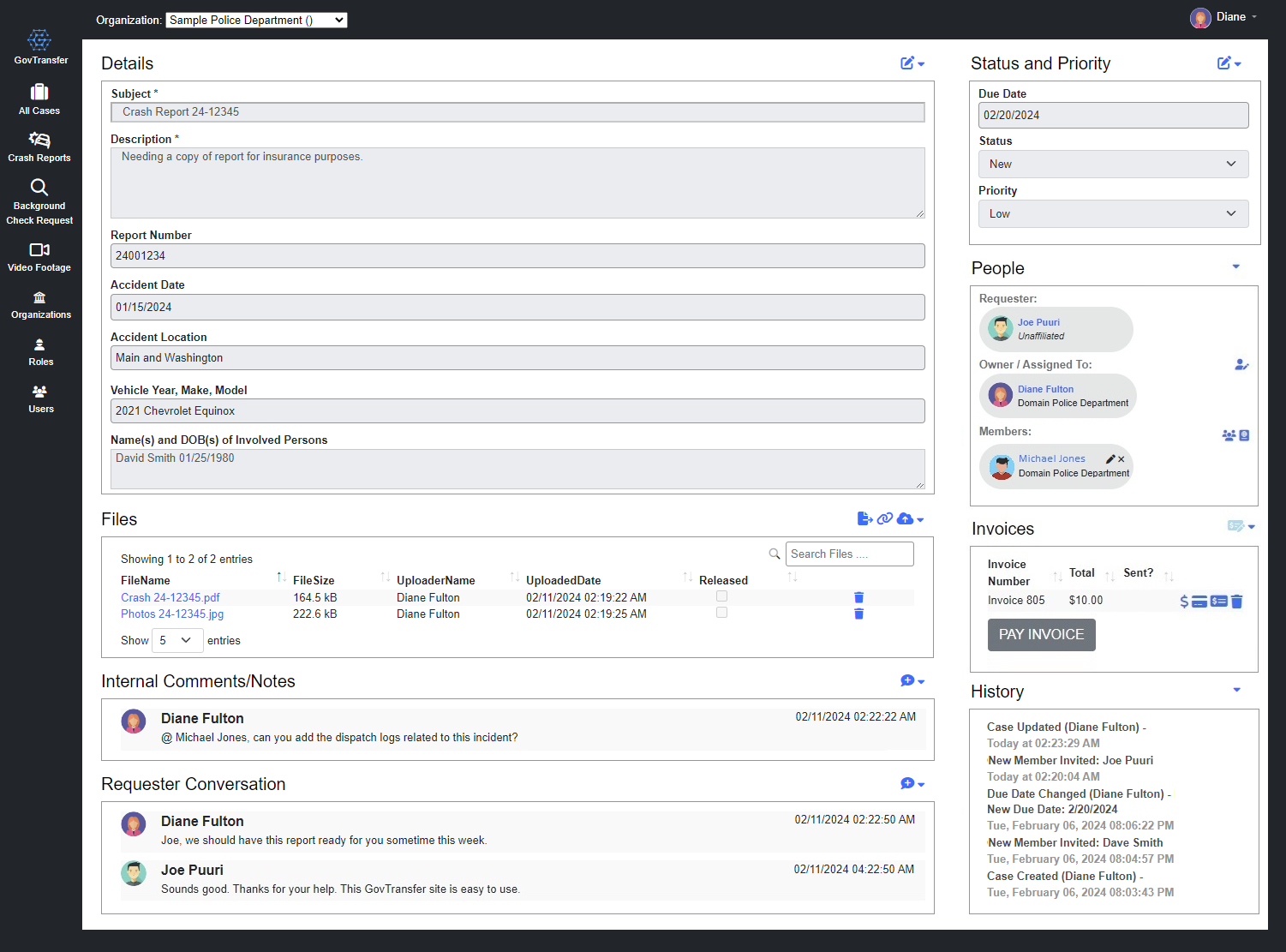
In today’s digital landscape, government agencies handle an unprecedented volume of sensitive information, ranging from classified documents to citizen data. The stakes are high: a single breach can compromise national security, erode public trust, and trigger costly legal repercussions. Consequently, secure file transfer is no longer a peripheral concern, it is a core component of an agency’s cybersecurity strategy. This article outlines the most effective practices for protecting data in transit, drawing on proven methods and industry-standard guidelines. For deeper insight into tailored approaches, Discover expert strategies here.
Understanding the Threat Landscape
Government data faces a diverse set of threats, including man-in-the-middle attacks, ransomware, insider misuse, and accidental exposure. Each vector exploits weaknesses in authentication, encryption, or endpoint security. Recognizing these risks is the first step toward building resilient transfer processes.
Key Threat Categories
- Network interception: Unencrypted traffic can be captured by malicious actors on public or compromised networks.
- Credential theft: Weak password policies and lack of multi-factor authentication (MFA) increase the likelihood of unauthorized access.
- Malware propagation: Infected files can spread across agencies if proper scanning is not enforced before transfer.
- Insider threats: Employees with legitimate access may unintentionally or deliberately mishandle data.
Core Principles for Secure Transfer
Effective protection hinges on three foundational principles: confidentiality, integrity, and availability (CIA). Applying these concepts consistently across all transfer channels ensures that data remains private, unaltered, and accessible only to authorized recipients.
Confidentiality
- Employ end-to-end encryption using AES-256 or higher.
- Utilize TLS”?1.3 for web-based transfers and IPsec for network-level protection.
- Implement strict access controls based on the principle of least privilege.
Integrity
- Generate and verify cryptographic hashes (SHA-256 or stronger) before and after transmission.
- Adopt digital signatures to authenticate the source and detect tampering.
- Log every transfer event and retain immutable audit trails.
Availability
- Deploy redundant pathways and failover mechanisms to mitigate downtime.
- Schedule regular backups and verify restoration procedures.
- Monitor bandwidth and latency to ensure timely delivery of critical files.
Best Practices for Implementation
1. Choose a Secure Transfer Protocol
Legacy protocols such as FTP and unsecured HTTP are unacceptable for government use. Preferred alternatives include:
- SFTP (SSH File Transfer Protocol): Provides encrypted session and strong authentication.
- FTPS (FTP over TLS): Adds TLS encryption to traditional FTP.
- HTTPS/REST APIs: Ideal for web-based services with token-based authentication.
For a comprehensive comparison of protocol strengths, Explore advanced guides and tips.
2. Enforce Multi-Factor Authentication
MFA dramatically reduces the risk of credential compromise. Implement hardware tokens, mobile authenticator apps, or biometric factors for all users who initiate or receive transfers.
3. Apply Role-Based Access Control (RBAC)
Define clear roles (e.g., sender, reviewer, auditor) and assign permissions accordingly. Regularly review and revoke access that is no longer required.
4. Integrate Data Loss Prevention (DLP) Tools
DLP solutions scan files for sensitive patterns (PII, classified markings) before transmission. They can automatically block or encrypt non-compliant files, ensuring only authorized data leaves the network.
5. Conduct Continuous Monitoring and Incident Response
Real-time monitoring platforms should flag anomalous transfer volumes, unusual destinations, or failed authentication attempts. Establish an incident response plan that includes forensic analysis, containment, and notification procedures.
Compliance and Regulatory Alignment
Government agencies must adhere to standards such as NIST SP 800-171, FIPS”?140-2, and the Federal Information Security Management Act (FISMA). Secure file-transfer solutions should be auditable and capable of generating reports that satisfy these frameworks.
For guidance on aligning technology with regulatory requirements, Find out more about this approach.
Future-Ready Considerations
Emerging technologies are reshaping how agencies move data securely:
- Zero-Trust Architecture: Assumes no implicit trust and verifies every transaction.
- Quantum-Resistant Encryption: Prepares for the eventual impact of quantum computing on cryptographic algorithms.
- Secure Access Service Edge (SASE): Merges networking and security functions into a cloud-delivered service.
Staying informed about these trends helps maintain a proactive security posture. To explore cutting-edge solutions, Learn about our tailored solutions.
Conclusion
Secure government file transfer demands a disciplined, layered approach that combines robust encryption, strict access controls, vigilant monitoring, and alignment with federal standards. By embedding these best practices into daily operations, agencies can safeguard critical information, preserve public confidence, and meet compliance obligations. Continuous improvement, driven by technology advances and threat intelligence, ensures that data protection remains resilient in an ever-evolving risk environment.