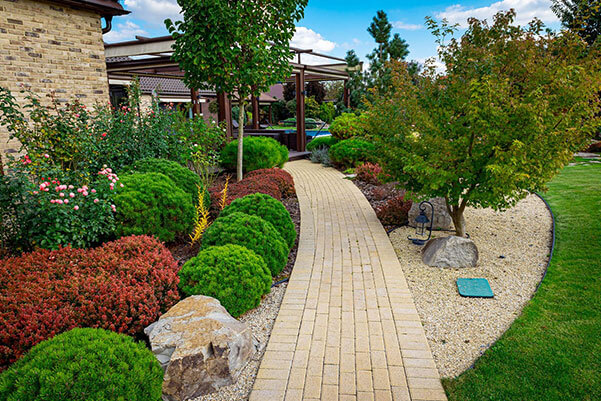
Transforming outdoor spaces into beautiful, functional, and harmonious landscapes is both an art and a science. Landscaping architecture plays a crucial role in enhancing the visual appeal and usability of outdoor areas, whether they are residential gardens, public parks, or commercial properties. This discipline involves much more than planting trees and installing pathways; it is about creating environments that echo personal tastes and serve practical needs while being sensitive to the natural ecosystem. As people increasingly recognize the value of well-designed outdoor spaces, the demand for skilled professionals in this field continues to grow.
The Principles of Landscaping Architecture
Landscaping architecture is guided by several core principles that ensure the creation of spaces that are not only beautiful but also sustainable and functional. Understanding these principles is essential for anyone looking to enhance their outdoor spaces.
- Unity and Harmony: A successful landscape design creates a sense of unity and harmony by ensuring all elements complement each other.
- Balance: Balance can be symmetrical or asymmetrical, but it should always create a sense of stability and coherence in the landscape.
- Proportion: The relationship between the sizes of different elements in the landscape should be proportionate to each other and the space as a whole.
- Variety: While maintaining unity, a landscape should incorporate variety to keep the design interesting and engaging.
- Emphasis: Focal points in the landscape, such as sculptures or water features, draw attention and add interest.
Implementing Design Elements
Design elements are the building blocks of landscaping architecture. These elements must be carefully selected and arranged to achieve the desired aesthetic and functional outcomes.
Hardscape Elements
Hardscapes refer to the non-living components of a landscape design. These include:
- Pathways and Patios: They dictate the flow of movement and provide functional spaces for seating and gathering.
- Walls and Fences: These elements offer privacy and can serve as a backdrop for planting areas.
- Water Features: Ponds, fountains, and streams add tranquility and a sense of movement to the landscape.
Softscape Elements
Softscapes involve the living components of a landscape. They play a crucial role in creating a lush and inviting environment.
- Plants and Trees: Choosing the right flora based on climate and soil conditions is vital for sustainable landscapes.
- Ground Covers: These are used for covering large areas with minimal maintenance while providing greenery and preventing erosion.
- Flower Beds: Colorful flower beds can act as focal points and add seasonal interest.
Sustainability in Landscaping Architecture
Sustainable practices in landscaping architecture are increasingly important as environmental concerns grow. A sustainable approach not only benefits the environment but also enhances the longevity and resilience of the landscape.
- Using native plants that require less water and are adapted to local conditions.
- Implementing efficient irrigation systems to conserve water.
- Incorporating permeable surfaces to reduce water runoff and promote groundwater recharge.
- Recycling materials for paving and constructing elements to reduce waste.
The Role of Technology
Technology plays an integral role in modern landscaping architecture, providing tools that enhance the design and implementation process.
- 3D modeling software allows for precise visualization and planning of landscape designs before implementation.
- Smart irrigation systems enable efficient water usage, adapting to weather conditions and soil moisture levels.
- Drone technology assists in site analysis, providing aerial views and data collection for better planning.
In conclusion, landscaping architecture is a multifaceted discipline that combines creativity with practicality to enhance outdoor spaces. By adhering to fundamental principles, implementing thoughtful design elements, and embracing sustainability and technology, landscaping architects can create environments that are not only beautiful but also functional and environmentally responsible.